According to CTIA GROUP, on May 17, 2026, the Ministry of State Security issued a security advisory article, pointing out that the field of espionage and data theft has become increasingly complex and diverse. Foreign intelligence agencies, seeking competitive advantages over China, have conducted espionage and data theft in strategic emerging sectors such as rare earths, photovoltaics, semiconductors, high-end chips, and artificial intelligence, making every effort to steal China’s core technologies and sensitive data in an attempt to grasp China’s strategic cards. This situation requires a completely new understanding.

Images of rare earth mines
According to the United States Geological Survey, by the end of 2025, global rare earth reserves were approximately 85 million tons, a decrease of 5.56% year-on-year; of these, China’s rare earth reserves were about 44 million tons, remaining stable year-on-year, accounting for 51.76% of the world’s total reserves. In 2025, global rare earth production was approximately 390,000 tons, an increase of 2.63% year-on-year; of these, China’s rare earth production was about 270,000 tons, remaining stable year-on-year, accounting for 69.23% of global production. It is thus evident that China holds more than half of the world’s rare earth reserves and produces nearly 70% of the global output.
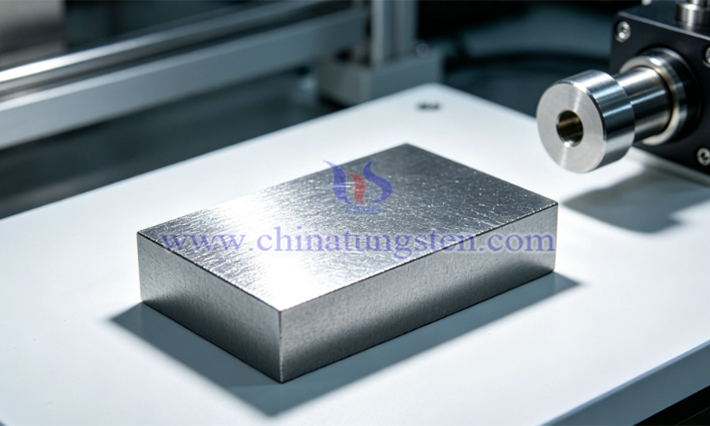
Images of rare earth permanent magnet materials
The Ministry of Natural Resources stated that by the end of the 14th Five-Year Plan, China ranked first in the world in reserves of 14 minerals, including rare earths, tungsten, and molybdenum. In 2025, China ranked first in the world in production of 17 minerals, including rare earths, tungsten, and molybdenum, with production of 11 minerals, including rare earths and tungsten, accounting for over 50% of global output. China continues to maintain a prominent advantage in the rare earth smelting and processing sector, with rare earth smelting products accounting for 94% of the global total.
Rare earth elements possess unique magnetic, optical, and catalytic properties, making them widely used in modern industry and technology. They can be used to produce high-performance permanent magnet materials for electric vehicle motors, wind turbine generators, hard drives, and headphones; in displays, fluorescent lamps, LEDs, lasers, and camera lenses to enhance optical performance; in catalysts to reduce automotive exhaust and petroleum processing emissions; in aerospace and defense for high-temperature alloys, radar, and engine components; and also in glass polishing, ceramic glazes, lighting, and critical components in electronics. They are therefore essential resources in modern high technology, clean energy, and everyday life.