Scientists from the University of Wisconsin–Madison (USA), the University of St Andrews (UK), and the University of Alberta (Canada) have discovered that over 3 billion years ago, microorganisms on Earth were already able to use the metal molybdenum (Mo) to survive, even though this metal was scarce in the environment at the time. The related paper was published in the latest issue of Nature Communications.
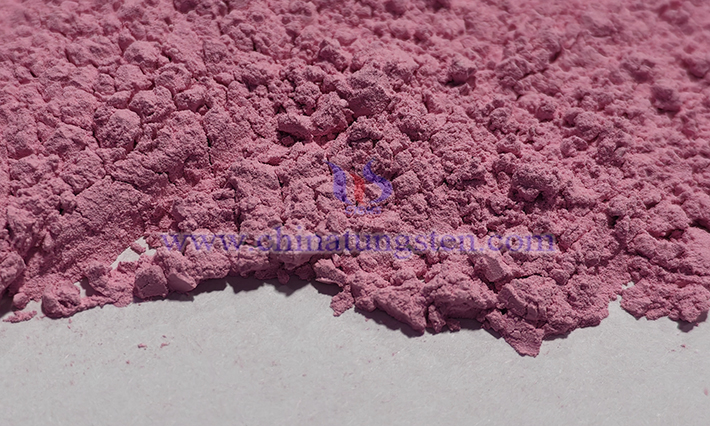
Image of molybdenum
Molybdenum plays a crucial role in living organisms as a core component of various key enzymes, accelerating important chemical reactions within cells. These enzymes are not only essential for the survival of individual organisms but also have a profound impact on Earth’s nitrogen cycle.
Traditionally, it was believed that early life may have initially used tungsten (W) and gradually shifted to molybdenum later. However, this study shows a more complex scenario. Ancient microorganisms may have used both molybdenum and tungsten simultaneously, and their roles in early biochemical processes were not simply interchangeable but overlapped. Molecular dating analysis traced the use of molybdenum in life back to approximately 3.7 to 3.1 billion years ago, during the Archean to middle Archean eons, earlier than many models had predicted.

Image of microorganisms
So, how did life access this rare element when almost no soluble molybdenum existed in seawater at that time? The study suggests that submarine hydrothermal vents may have provided a crucial source of trace metals. These vents continuously released elements such as iron, zinc, copper, nickel, manganese, vanadium, molybdenum, cobalt, and tungsten, supplying early microorganisms with the essential “biochemical raw materials.” Hydrothermal vents acted like miniature underwater “mines,” enabling life to obtain necessary metals even in resource-limited environments.
This research reveals the high adaptability of early life. Ancient microorganisms, even when facing scarce resources, found ways to utilize molybdenum and tungsten to drive complex biochemical reactions. This not only deepens our understanding of the evolution of early life on Earth but also reminds modern scientists of the critical role trace elements play in the development of life.