According to data from the General Administration of Customs, from January to March 2026, China’s total rare earth imports amounted to 32,077 tons, an increase of 30.0% year-on-year, with an import value of RMB 4.872 billion, an increase of 159.9% year-on-year. The total rare earth exports were 14,579 tons, an increase of 2.8% year-on-year, with an export value of RMB 814 million, a decrease of 11.2% year-on-year. During the same period, the total export volume of rare earths and their products was 33,029 tons, an increase of 4.2% year-on-year, and the export value was RMB 6.968 billion, an increase of 11.6% year-on-year.
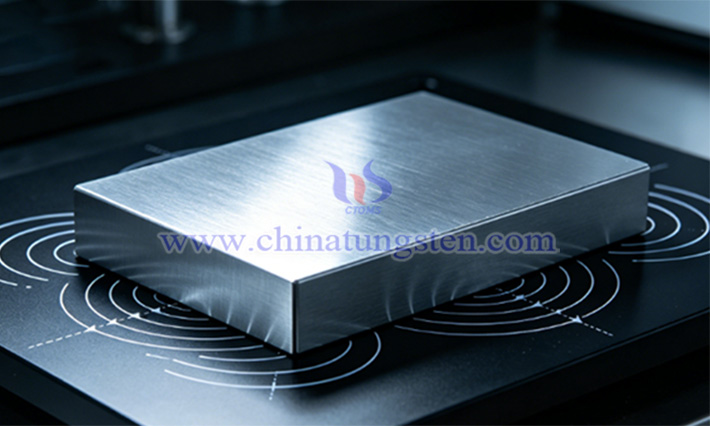
Rare earth permanent magnet material images
According to CTIA GROUP’s official WeChat account, from January to March 2026, the prices of most rare earth products in China increased year-on-year. Among them, the average price of praseodymium oxide was RMB 794,190/ton, a month-on-month increase of approximately 35.35%, and a year-on-year increase of approximately 77.44%; the average price of neodymium oxide was RMB 789,293/ton, a month-on-month increase of approximately 35.22%, and a year-on-year increase of approximately 79.09%; the average price of praseodymium-neodymium oxide was RMB 747,431/ton, a month-on-month increase of approximately 34.09%, and a year-on-year increase of approximately 73.76%; the average price of praseodymium-neodymium metal was RMB 917,241/ton, a month-on-month increase of approximately 34.56%, and a year-on-year increase of approximately 73.23%; the average price of terbium oxide was RMB 6,268/kg, a month-on-month decrease of approximately 4.49%, and a year-on-year increase of approximately 0.92%; the average price of dysprosium oxide was RMB 1,456,897/ton, a month-on-month decrease of approximately 3.23%, and a year-on-year decrease of approximately 13.91%; the average price of dysprosium alloy was RMB 1,424,138/ton, a month-on-month decrease of approximately 2.01%, and a year-on-year decrease of approximately 13.97%.
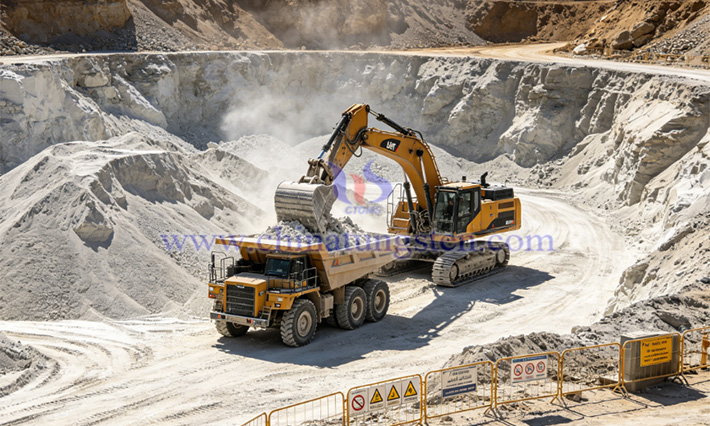
Rare earth mine images
Rare earths are not "earths" in the true sense, but are a collective term for 17 rare metal elements in the periodic table, including lanthanum (La), cerium (Ce), praseodymium (Pr), neodymium (Nd), yttrium (Y), and others. They were named "rare earths" because their early discovery and extraction were extremely difficult, although their abundance in the Earth's crust is not low. They are known as the "vitamins of modern industry" and play an important role in high-tech fields.
Rare earths are typically divided into two categories: light rare earths and heavy rare earths. Light rare earths (such as praseodymium, neodymium, etc.) are relatively more abundant in the Earth’s crust and have lower extraction costs, and are primarily used in fields such as new energy vehicle drive motors and wind power generation permanent magnets. Heavy rare earths (such as terbium, dysprosium, etc.) are rarer, more difficult to purify, and are key raw materials in advanced fields such as high-end permanent magnets, high-temperature alloys, laser devices, and optical communications.