According to data from the General Administration of Customs, in February 2026, China's rare earth imports amounted to 5,967.4 tons, with an import value of RMB 1.07 billion; rare earth exports totaled 4,407.1 tons, with an export value of RMB 180 million.
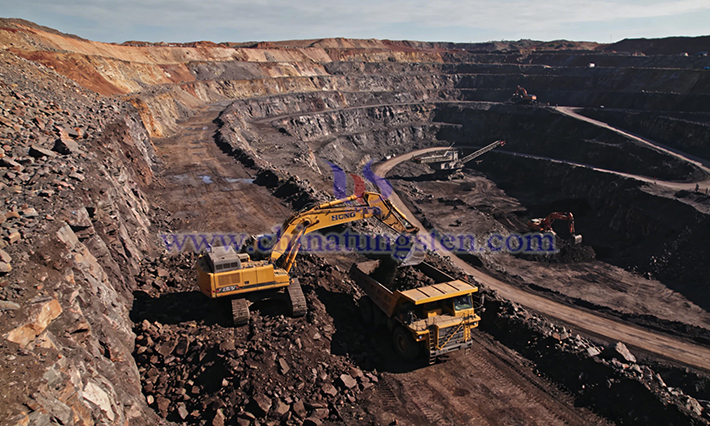
The rare earth elements refer to a group of 17 metallic elements on the periodic table, including scandium (Sc), yttrium (Y), and the 15 lanthanide elements (lanthanum La to lutetium Lu). Due to the incomplete filling of their 4f electron layers, rare earth elements exhibit unique optical, electrical, magnetic, and catalytic properties: neodymium, dysprosium, and terbium provide high coercivity and remanence, used in neodymium iron boride permanent magnets; europium, terbium, and cerium are used in phosphors to achieve efficient photoluminescence; lanthanum and cerium oxides are used as petroleum cracking catalysts to enhance conversion rates; yttrium and lutetium are used in laser crystals and solid-state electrolytes; dysprosium and terbium enhance high-temperature magnetic properties. Rare earth elements are widely used in fields such as new energy vehicle drive motors, wind turbines, 5G communication equipment, integrated circuit polishing, solid-state lighting, aerospace high-performance alloys, and national defense precision guidance systems.
According to the United States Geological Survey (USGS), as of the end of 2025, the global rare earth reserves were approximately 85 million tons, a decrease of 5.56% year-on-year. Of this, China's rare earth reserves were approximately 44 million tons, unchanged compared to the previous year, accounting for 51.76% of the global total reserves. In 2025, global rare earth production was approximately 390,000 tons, an increase of 2.63% year-on-year; of this, China's rare earth production was approximately 270,000 tons, unchanged compared to the previous year, accounting for 69.23% of the global total production.
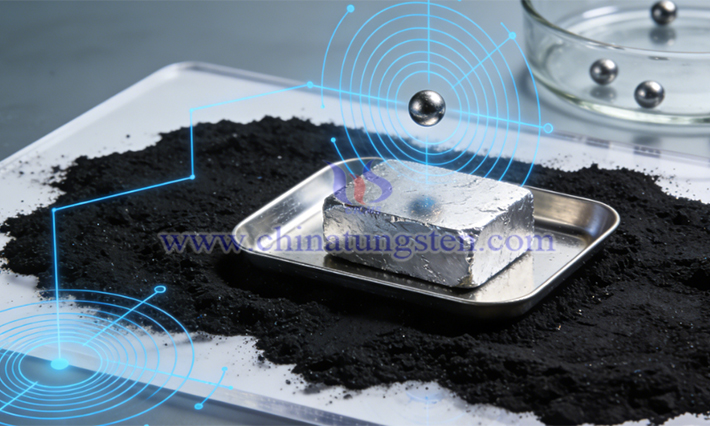
According to CTIA GROUP LTD's official website, in February 2026, the price trend of China's mainstream light and heavy rare earth products was fluctuating upwards. In terms of average prices, in February, the average price of praseodymium oxide was RMB 820,467 per ton, which increased by 22.49% compared to the previous month and increased by 81.37% compared to the same period last year; the average price of neodymium oxide was RMB 997,667 per ton, which increased by 49.66% compared to the previous month and increased by 123.85% compared to the same period last year; the average price of praseodymium-neodymium oxide was RMB 876,933 per ton, which increased by 33.25% compared to the previous month and increased by 101.01% compared to the same period last year; the average price of praseodymium-neodymium metal was RMB 871,933 per ton, which increased by 8.75% compared to the previous month and increased by 62.21% compared to the same period last year; the average price of terbium oxide was RMB 6,335 per kilogram, which increased by 1.38% compared to the previous month and increased by 3.24% compared to the same period last year; the average price of dysprosium oxide was RMB 1,492,000 per ton, which increased by 4.65% compared to the previous month and decreased by 13.20% compared to the same period last year; the average price of dysprosium ferroalloy was RMB 1,452,000 per ton, which increased by 3.93% compared to the previous month and decreased by 14.24% compared to the same period last year.