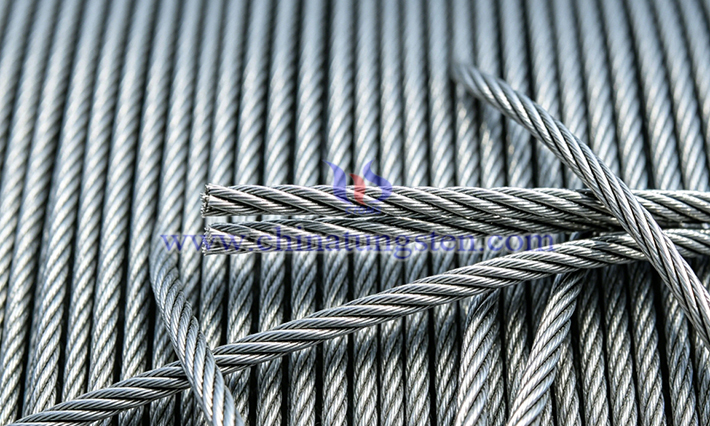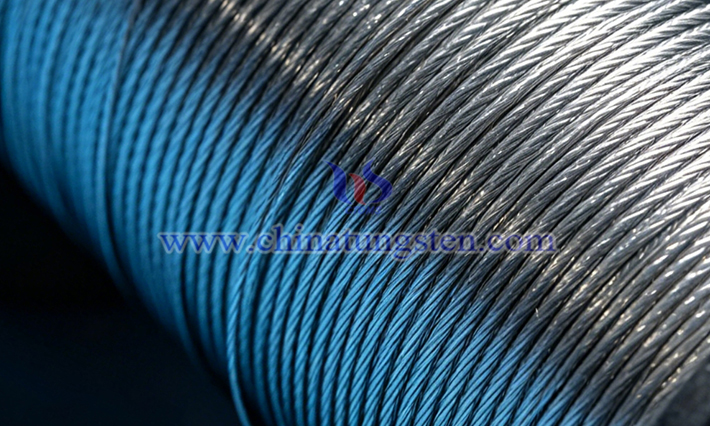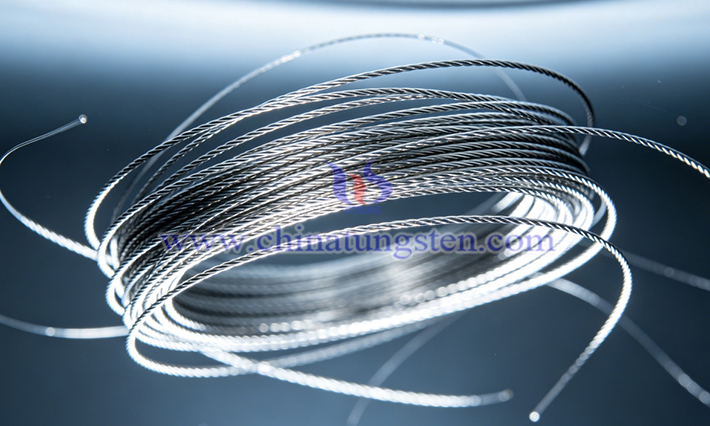
Tungsten wire tendon ropes are key flexible transmission components for embodied intelligent robots to achieve high degrees of freedom and biomimetic motion. Made from high-performance tungsten wire as the base material, they are manufactured through precision drawing and multi-strand stranding processes, mimicking the stretching and contraction mechanisms of human tendons. This allows for precise manipulation of fingers and joints via remote actuation. CTIA GROUP's tungsten wire tendon ropes exhibit outstanding performance in strength, stability, and lifespan, making them the preferred material for high-end dexterous hands and embodied intelligent systems.
1. Advantages of Tungsten Wire Tendon Cord
CTIA GROUP's tungsten wire tendon cord boasts tensile strength far exceeding that of ordinary steel wire and most polymer fibers. It can withstand hundreds to thousands of Newtons of tension within a diameter range of 0.2-2mm, enabling dexterous hands to achieve multi-degree-of-freedom designs, improving response speed and energy efficiency. Simultaneously, it possesses excellent fatigue and creep resistance, withstanding repeated bending cycles under small-radius pulleys with extremely low residual elongation, ensuring no decrease in motion accuracy during long-term use and reducing maintenance frequency. Furthermore, its multi-strand stranded structure results in a low coefficient of friction and excellent bending performance, suitable for complex wiring layouts. Tungsten's high melting point and high density also provide excellent high-temperature resistance, wear resistance, and corrosion resistance, making it suitable for industrial, household, and other special environment applications.
2. Application of Tungsten Wire Tendon Cords in Embodied Intelligent Robots
Tungsten wire tendon cords primarily serve biomimetic transmission scenarios requiring high dexterity and reliability, including (1) dexterous hand systems: as core transmission components, combined with planetary gears and lead screws, driving finger joints to complete complex actions such as grasping, assembly, and fine manipulation; (2) whole-body joint drive: used in wrists, elbows, and legs, providing compliant movement and supporting walking, interaction, and multi-task execution; (3) other embodied intelligent platforms: extended to collaborative robots, biomimetic arms, and home service robots, enhancing overall anthropomorphism and safety.
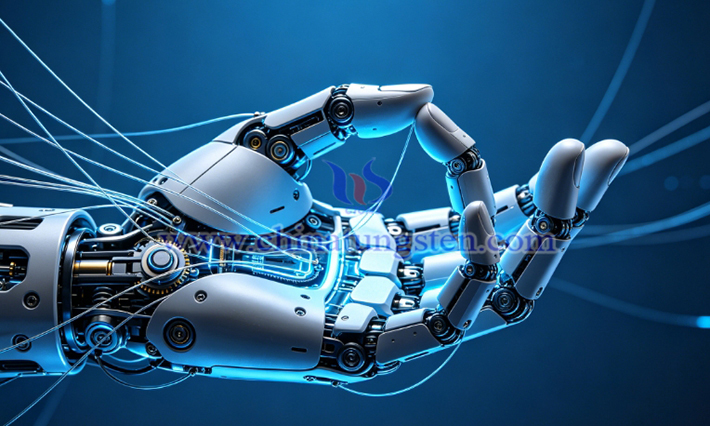
3. Main Structure of Tungsten Wire Tendon Cords in Embodied Intelligent Robots
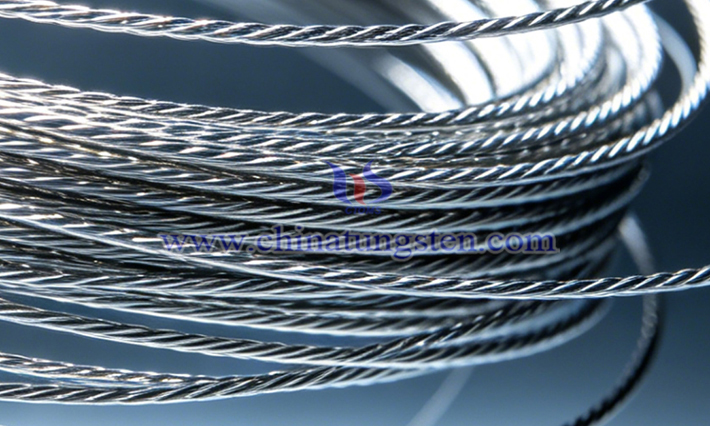
Common structures of tungsten wire tendon cords are mainly multi-strand strands, balancing strength, flexibility, and fatigue life. The diameter can be customized according to the robot's specific degrees of freedom, bending radius, and load. Basic structures include 7×19, 7×37, and 7×7×7, suitable for different diameters and load requirements. Composite reinforcement typically uses a 7×7+8×19 pattern or a metal-fiber hybrid weave, further optimizing creep resistance, abrasion resistance, and lightweight properties, and is commonly used in high-end dexterity hands. Furthermore, surface treatments such as plastic coating, lubrication, or special coatings can further reduce friction, improve durability, and enhance wiring smoothness.