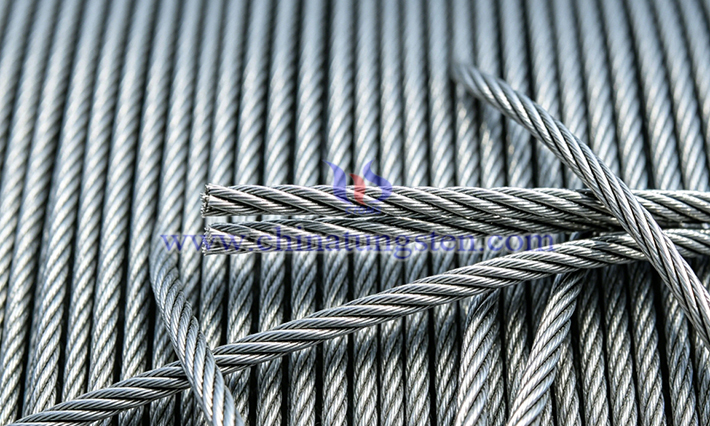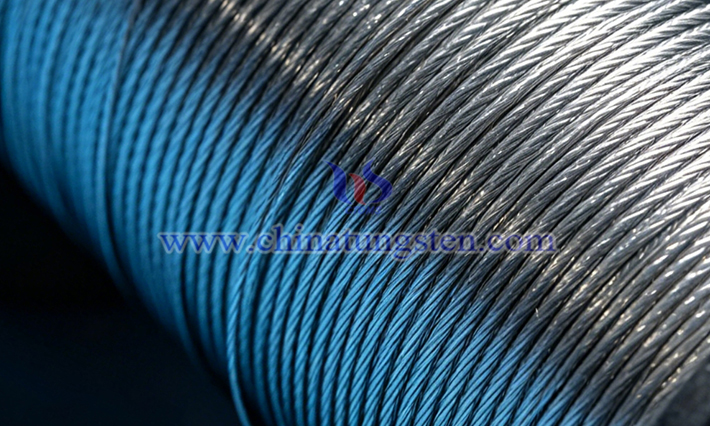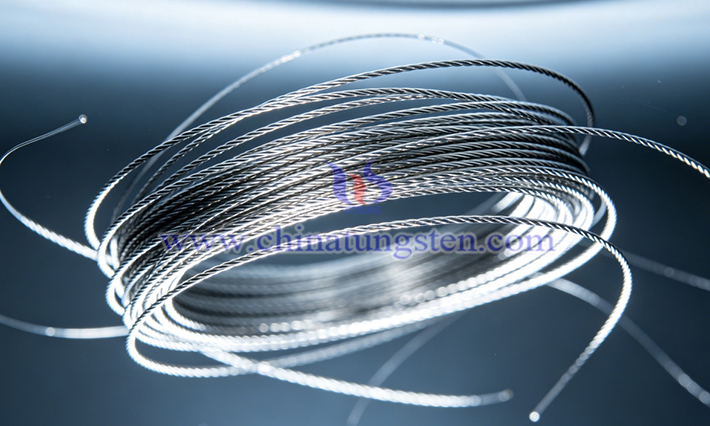
Tungsten wire tendon rope is a high-performance flexible transmission material. Due to its unique physical and mechanical properties, it is becoming a key component of precision transmission systems in humanoid robots. With the increasing demands for motion precision, durability, and space utilization in humanoid robots, CTIA GROUP's tungsten wire tendon rope demonstrates significant application value in core scenarios such as dexterous hands and joint actuation, thanks to its outstanding performance in extremely small bending radius, high wear resistance, fatigue resistance, and creep resistance.
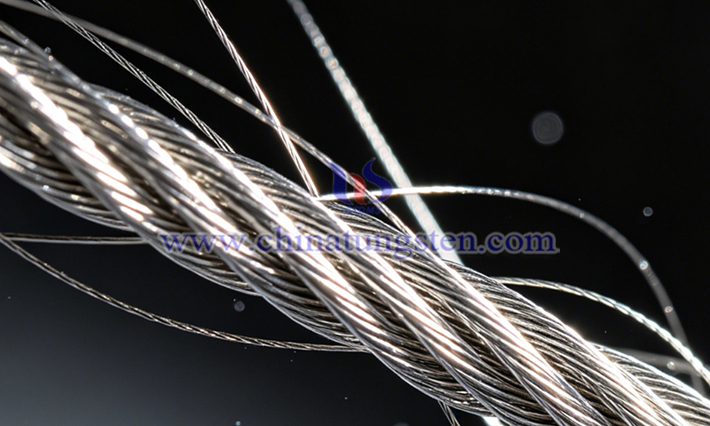
1. Application Advantages of Tungsten Wire Tendon Rope
Extremely Small Bending Radius: It can adapt to compact mechanical structure designs, helping to improve the degree of freedom of robot joints and fingers while reducing overall size.
High wear and fatigue resistance: The unique molecular structure of the material ensures stable performance even under repeated bending and high-intensity friction conditions, significantly extending the service life of transmission components.
High creep resistance: It is not prone to plastic deformation under long-term stress, which helps maintain the precision and stability of the transmission system and ensures the accuracy of repetitive positioning and motion execution.
High breaking strength: It can withstand large tensile loads, ensuring the reliability and safety of power transmission and reducing the risk of rope breakage.
High temperature resistance: It can maintain mechanical properties in high-temperature environments, adapting to the thermal load requirements of continuous robot operation or complex working conditions.

2. Application Scenarios of Tungsten Wire Tendon Cords for Humanoid Robots
Dexterous Hand Transmission System: Dexterous hands require multi-degree-of-freedom, high-precision finger joint movements. CTIA GROUP's tungsten wire tendon cords, due to their extremely small bending radius and high creep resistance, can be used as traction cords for interphalangeal joints, enabling precise grasping and gesture control while reducing transmission backlash.
Wrist and Elbow Assisted Actuation: In arm joints, tungsten wire tendons can replace some rigid linkages or gear transmissions, improving impact resistance, especially suitable for scenarios requiring rapid response and frequent reciprocating movements.
Future Expansion Directions: With the increasing demand for lightweight and highly integrated humanoid robots, tungsten wire tendons are expected to be applied to a wider range of areas such as lower limb joints and spinal compliance control, complementing polymer fiber materials and jointly driving performance upgrades in transmission systems.