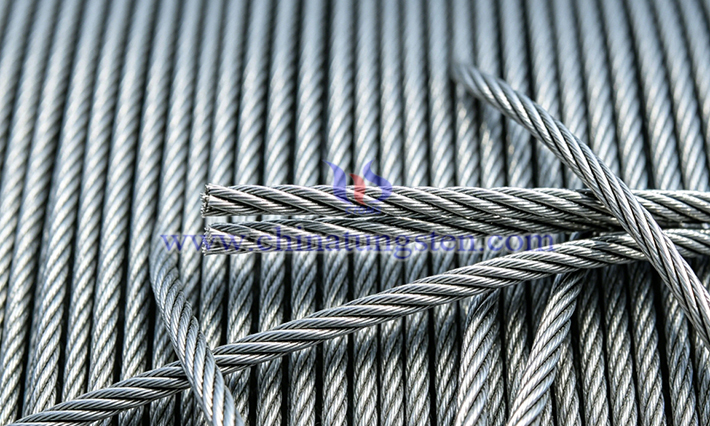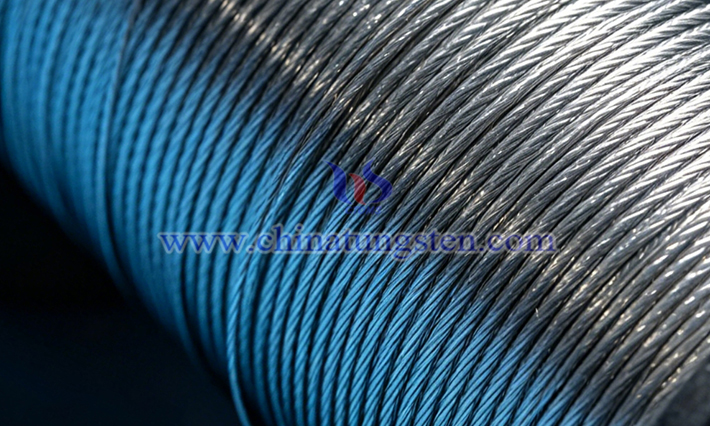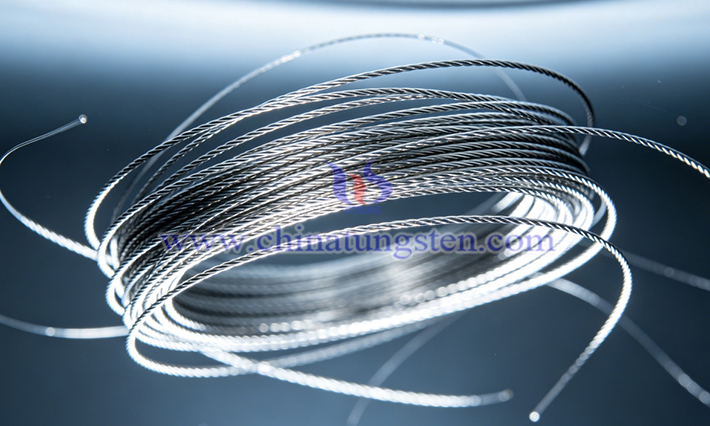
The surface treatment process for tungsten wire for tendon ropes mainly focuses on improving wear resistance, corrosion resistance, and fatigue life to meet the high-frequency, heavy-load transmission requirements of applications such as humanoid robot dexterity hands. Currently, the mainstream process routes can be divided into three main categories: cleaning and polishing, coating treatment, and surface modification. Furthermore, based on different surface conditions, tungsten wire products can be divided into two basic forms: black tungsten wire and white tungsten wire.
I. Cleaning and Polishing Treatment
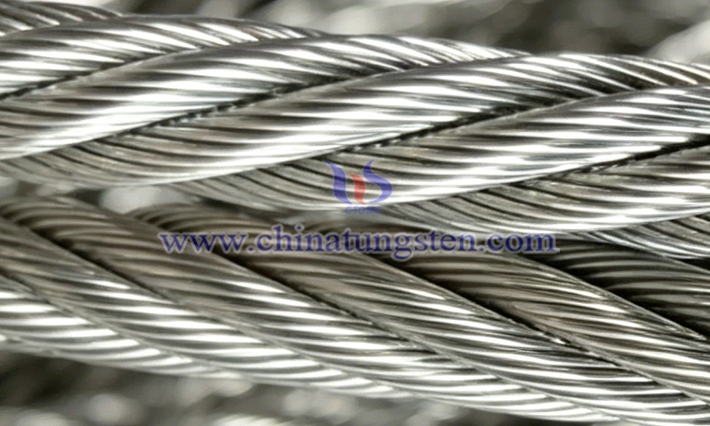
Cleansing and polishing are the foundation of all subsequent processes. Through acid washing, alkaline washing, or electrolytic polishing, oxides, impurities, and micro-cracks on the surface of the tungsten wire can be effectively removed to obtain a smooth surface. Electrolytic polishing is suitable for ultra-fine tungsten wires with a diameter of less than 0.01 mm, significantly reducing the risk of breakage during the drawing process and achieving a high surface finish with a roughness Ra < 0.05 micrometers. Silver-white tungsten wires, after alkaline washing or electrolytic polishing, are called white tungsten wires. They have a clean surface and strong corrosion resistance, making them suitable for robot tendons and high-precision electronic devices. Grayish-black tungsten wires, without the above treatment and with a residual graphite lubricating layer on the surface, are called black tungsten wires. Although they are less expensive, their surface is rougher.
II. Coating Treatment
Coating technology is the core method for enhancing the wear resistance and lubrication of tungsten wires used in tendons. Using physical vapor deposition (PVD) or chemical vapor deposition (CVD) methods, hard coatings such as titanium nitride or tungsten carbide can be deposited on the surface of tungsten wires, significantly improving surface hardness and wear resistance, and extending the service life of tendons under heavy loads. Simultaneously, depositing diamond-like carbon (DLC) coatings can achieve an extremely low coefficient of friction, effectively reducing frictional resistance during transmission and lowering the risk of thermal damage and microcracks caused by friction.
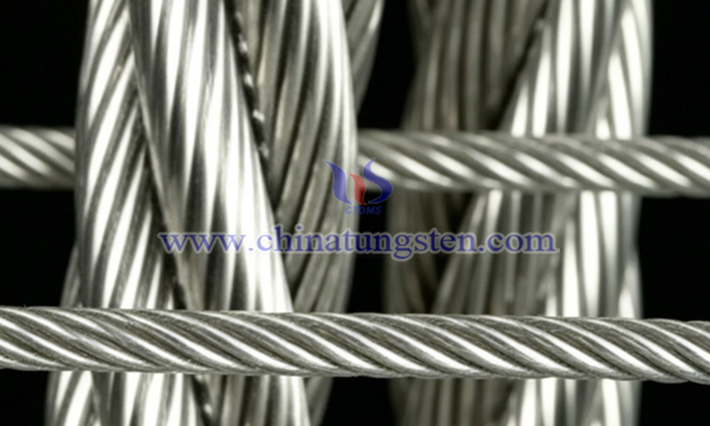
III. Surface Modification Treatment
Surface modification technologies include advanced processes such as laser texturing and plasma etching. These methods can introduce micro- and nano-scale textures or pores onto the surface of tungsten wires. On one hand, these pores act as lubricant storage spaces, achieving a self-lubricating effect; on the other hand, they increase the bonding area between the subsequent coating and the substrate, preventing coating peeling.
IV. Composite Processes
As application requirements become increasingly demanding, single processes often struggle to achieve multiple performance goals simultaneously, making composite surface treatments a growing trend. For example, combining electropolishing, plasma etching, and diamond-like carbon coatings can achieve a balance between finer lines, high strength, high toughness, and low wear, meeting the stringent requirements of various sub-fields.