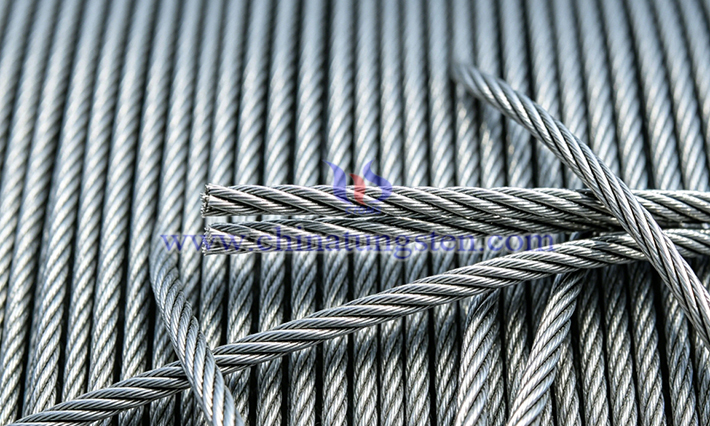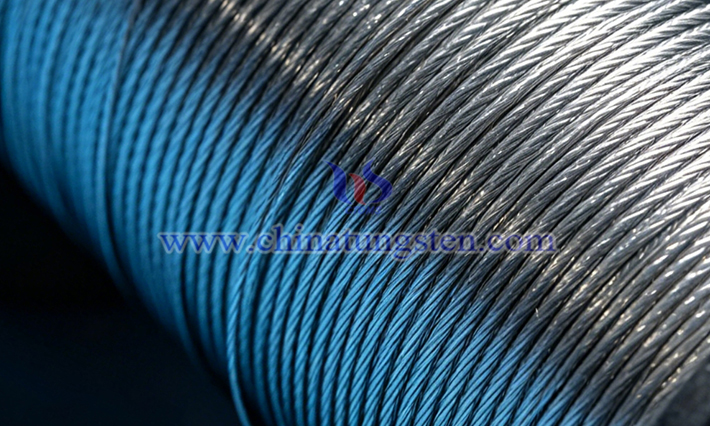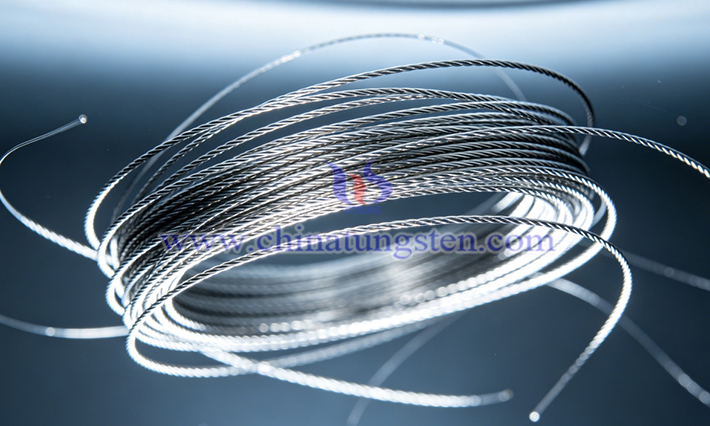
CTIA GROUP’s tungsten wire tendon ropes are manufactured using high-purity tungsten wire through precision braiding. They inherit the superior chemical stability of tungsten materials, demonstrating excellent corrosion resistance in most environments. This makes them ideal for sectors such as medical technology, industry, marine operations, and specialized robotics, where exposure to corrosive media is likely.
1. Corrosion Resistance Performance
Tungsten is highly stable in general chemical environments and resists corrosion and oxidation. Across a temperature range from room to high levels, a dense, protective oxide layer forms on the tungsten wire surface, further enhancing its corrosion resistance. CTIA GROUP’s tungsten wire tendon ropes withstand exposure to seawater, salt spray, certain acidic and alkaline solutions, and oils, significantly outperforming standard stainless steel wire ropes and polymer fiber ropes prone to degradation.
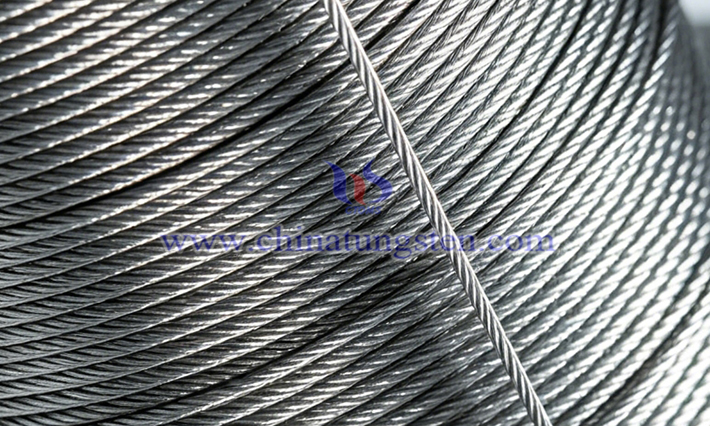
2. Factors Influencing Corrosion Resistance
Material Purity and Composition: High-purity tungsten offers the best corrosion resistance; alloying or the addition of dopants may slightly alter performance in specific media.
Surface Condition and Treatment: A smooth surface—achieved through precision drawing and heat treatment—helps improve corrosion resistance. Composite coatings or surface optimization processes can further enhance resistance to specific corrosive environments.
Environmental Conditions: Performance is excellent in neutral or mildly corrosive media, though corrosion resistance decreases in strongly oxidizing acids (such as concentrated nitric acid) or high-temperature, strong alkaline environments. Actual operating temperatures and duration of exposure also affect overall corrosion resistance.
3. Application Advantages of High Corrosion Resistance
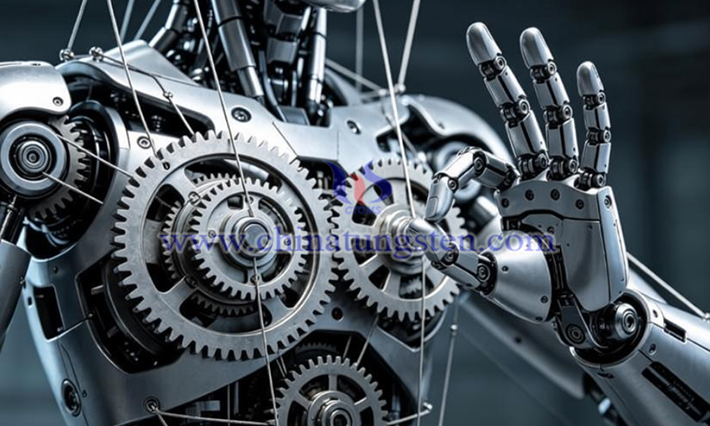
Their superior corrosion resistance makes tungsten wire tendon ropes suitable for medical surgical robots (withstanding repeated sterilization), food processing robots (contact with acidic/alkaline cleaning agents), marine and deep-sea robots (resisting seawater corrosion), and applications in the chemical and nuclear industries. They maintain stable mechanical properties over long periods, reducing maintenance frequency and extending service life, thereby enhancing equipment reliability and adaptability across diverse, harsh operating conditions.