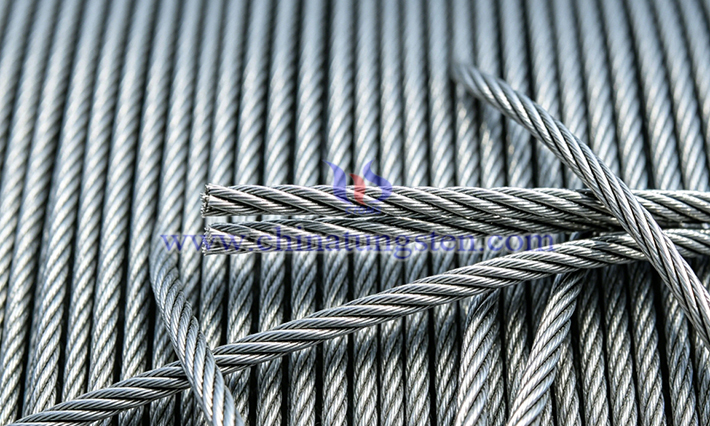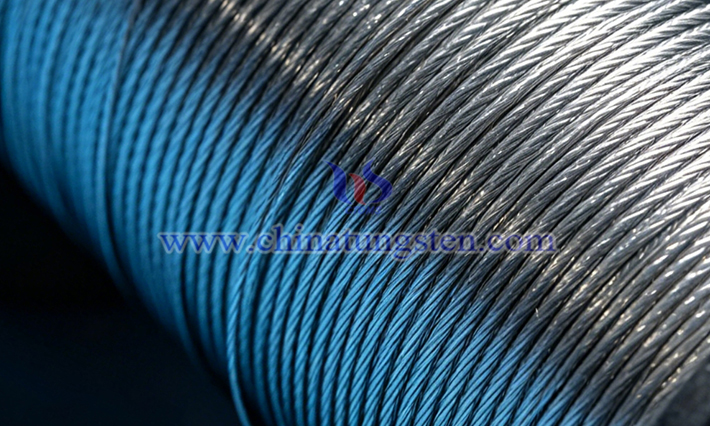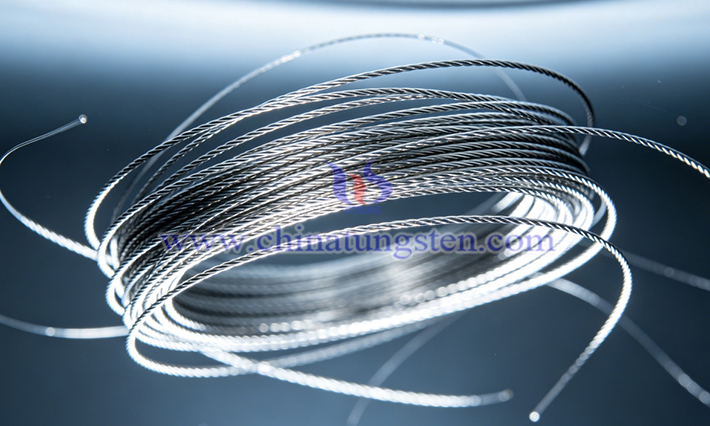
Tungsten wire tendon ropes are manufactured using high-purity, ultra-fine tungsten wire through precision multi-strand, multi-layer braiding, resulting in exceptional tensile strength and overall load-bearing capacity. Their strength advantage stems from the synergy between the high strength of individual filaments and the rope's structural design, making them suitable for precision applications such as high-load, high-frequency transmission in robotic joints.
1. Tensile Strength of Individual Tungsten Filaments
The tensile strength of individual tungsten filaments typically ranges from 5,200 to 6,500 MPa or higher—far exceeding that of stainless steel wire ropes (approx. 1,000–1,800 MPa) and certain polymer fiber materials. This high strength derives from the inherent properties of tungsten and the work-hardening effect of the cold-drawing process, enabling the filaments to withstand immense tensile stress despite their small diameters.
2. Breaking Strength of Finished Tungsten Wire Tendon Ropes
The breaking strength of the finished rope depends on its diameter, structure, and braiding method. Typical specifications include: a breaking strength of several hundred Newtons (e.g., ≥380 N) for a 0.5 mm diameter rope; approximately 1,000 N or more for a 0.76 mm diameter rope; over 1,800 N for a rope with a diameter of around 1 mm; and 2,500–4,500 N (or higher) for diameters of 1.5–2.8 mm or larger.

3. Factors Influencing the Strength of Tungsten Wire Tendon Ropes
Quality of individual tungsten filaments: Factors such as filament purity, diameter tolerance, consistency, and the degree of work-hardening during drawing directly affect the base strength. Filaments with tight diameter tolerances, high surface finish, and consistent strength significantly improve the strength utilization rate of the entire rope, preventing premature filament breakage.
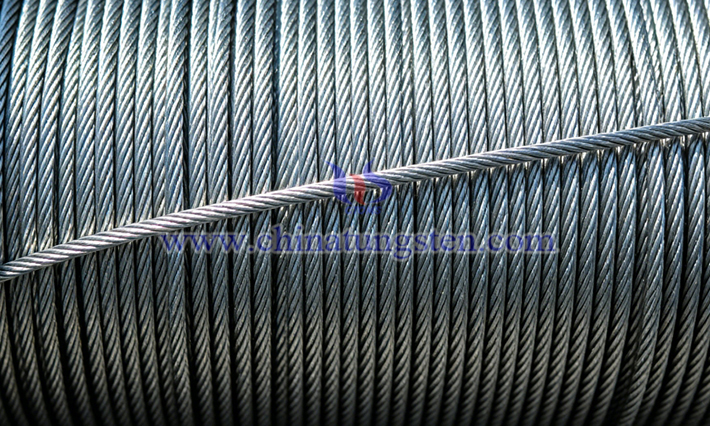
Braiding structure and process: Parameters such as the number of strands (e.g., 7×7, 19×19), stranding method (Lang's lay vs. regular lay), lay length (typically 6–8 times the diameter), and tension control precision influence stress distribution. Precision multi-layer non-rotating braiding ensures uniform load distribution, enhancing overall ultimate tensile strength and fatigue resistance; braiding density (fill factor) must also be optimized based on specific requirements for high load capacity or flexibility.
Post-processing techniques—such as multi-stage pre-stretching and vacuum stabilization heat treatment—serve to eliminate internal stresses and improve strength retention. Improper processing can result in high residual stress and increased elongation, thereby reducing the effective working strength.
Other factors: Surface treatments (e.g., composite coating), diameter specifications, and operating conditions (e.g., bending radius, number of cycles, ambient temperature) also influence strength performance. In practical applications, the safety factor must be comprehensively considered to ensure the strength meets load requirements.